What Steps Are Essential After a Hurricane Damages a Commercial Property?

When a hurricane impacts a commercial property, the consequences can extend far beyond physical damage. Business interruption, tenant displacement, safety concerns, and lost revenue often follow. Whether you own or manage a hotel, school, apartment complex, retail center, or other commercial facility, taking the right steps immediately after a hurricane is critical to protecting your property and preserving your insurance claim.

Many commercial property insurance claims are denied or underpaid because property owners or managers fail to mitigate additional damage or miss strict reporting deadlines. Commercial policies often contain detailed notice requirements, documentation standards, and timelines that must be followed precisely. Acting quickly and strategically can make a significant difference in the outcome of your claim.

If you encounter delays, disputes, or a denial, working with an experienced commercial property damage attorney can help you understand your rights and pursue the compensation your property needs to recover.

How Can I Protect My Commercial Property Immediately After a Hurricane in San Antonio?

After ensuring the safety of occupants, staff, and emergency personnel, commercial property owners should focus on stabilizing the property and documenting all damage. These early steps are essential for both safety and insurance compliance.

Document all damage thoroughly:
As soon as conditions allow, begin documenting hurricane-related damage using photographs and video. This should include damage to roofs, exterior walls, windows, parking structures, common areas, mechanical systems, and interiors. For properties such as hotels, schools, or apartment complexes, document individual units, classrooms, hallways, stairwells, and shared facilities.

Create a detailed inventory of damaged or destroyed items, including furniture, equipment, fixtures, HVAC systems, electrical components, and building materials. If damage worsens over time due to water intrusion or structural compromise, continue documenting those changes. Progressive damage is common after hurricanes and must be clearly supported.

Photograph damage from multiple perspectives:
Even damage that appears minor should be documented. Insurance companies may later argue that certain losses were preexisting or insignificant. Take photos and videos from close-up and wide angles to capture both detail and overall impact. If lighting is limited due to power outages, document damage during daylight hours to ensure clarity and accuracy.

How Do Hurricanes Impact Business Operations and Occupant Safety?

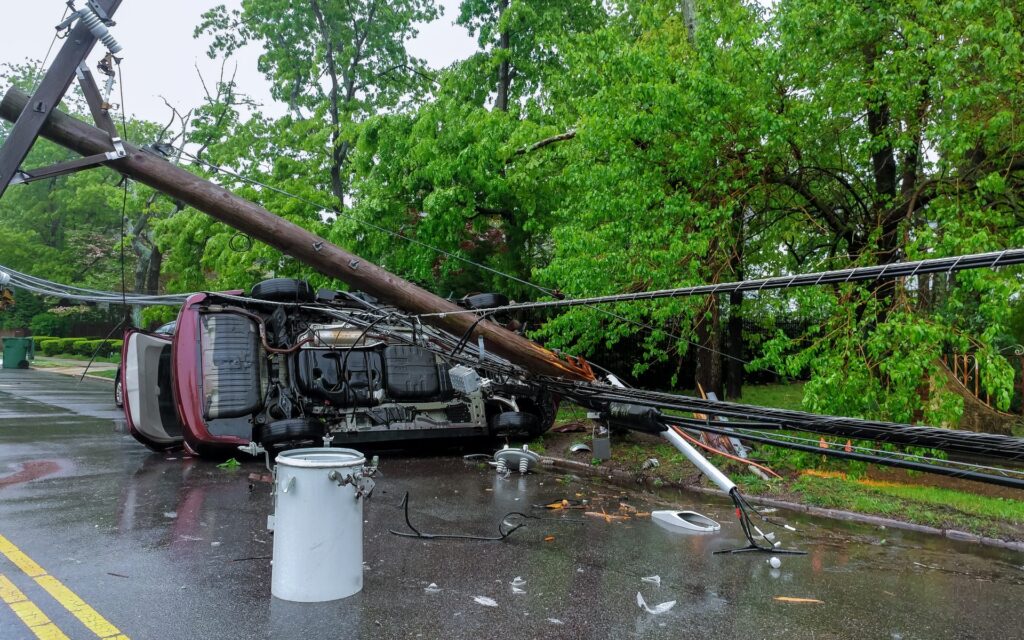
Hurricane damage to commercial properties often creates operational challenges that extend well beyond visible structural issues. For hotels, schools, apartment complexes, and multi-tenant facilities, the immediate concern is maintaining safety while minimizing disruption to daily operations. Flooding, roof failures, power outages, and damaged access points can quickly render a property unsafe or unusable, even if the damage appears localized.

Hotels may be forced to close rooms or entire buildings, resulting in canceled reservations and lost revenue. Schools may need to suspend classes or relocate students if classrooms, cafeterias, or transportation infrastructure are compromised. Apartment complexes often face tenant displacement, habitability concerns, and potential liability if living conditions deteriorate after the storm. In each scenario, property owners and managers must balance emergency response with regulatory and contractual obligations.

Commercial insurance policies frequently include provisions related to occupancy, safety compliance, and loss mitigation. Failing to address unsafe conditions or continuing operations in damaged areas may complicate a future claim. Taking early steps to assess safety risks, restrict access to hazardous areas, and communicate clearly with tenants, guests, or staff helps demonstrate responsible property management and supports the legitimacy of an insurance claim.

Should Repairs Be Made After a Hurricane Damages a Commercial Property in Texas?

Commercial property owners are generally expected to take reasonable steps to prevent additional damage after a hurricane. This may include temporary or emergency repairs designed to stabilize the property and protect it from further loss.

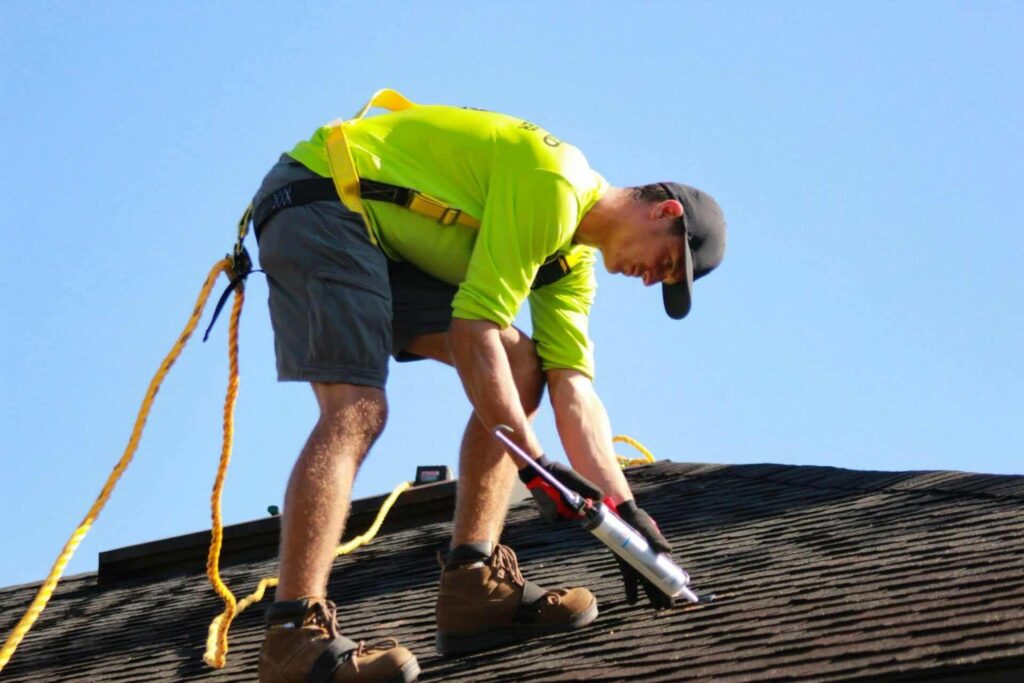
Acceptable temporary measures may include tarping roofs, boarding broken windows, removing standing water, or securing exposed areas. These repairs should be strictly limited to mitigation and should not alter or permanently repair the damaged structure before the insurance company has inspected the property.

Maintain detailed records of all mitigation efforts. Keep receipts for materials, labor, and emergency services, and take photographs before and after temporary repairs are completed. This documentation is often required for reimbursement and can help support the full value of your claim.

Avoid making permanent repairs or significant alterations until you have clear guidance from your insurance carrier or legal counsel, as doing so may jeopardize coverage or limit recovery.

How Do Business Interruption and Loss of Use Claims Apply to Commercial Properties?

In addition to physical damage, hurricanes often trigger significant financial losses for commercial property owners due to interrupted operations. Many commercial insurance policies include coverage for business interruption or loss of use, which may apply when a property cannot function as intended because of storm-related damage.

For hotels, this may involve lost room revenue, canceled events, or reduced occupancy. Schools and educational facilities may incur costs associated with temporary relocation, alternative learning arrangements, or delayed programs. Apartment complexes may experience reduced rental income, increased vacancy rates, or additional expenses tied to tenant accommodations and emergency services.

Business interruption claims are often among the most contested aspects of a commercial hurricane damage claim. Insurers may challenge the duration of the interruption, the calculation of losses, or whether certain damages are covered under the policy. Maintaining accurate financial records, occupancy data, lease agreements, and operational documentation can be essential in demonstrating the full scope of economic loss tied directly to the hurricane.

Understanding how these losses are evaluated and presented is critical to ensuring that a commercial property claim reflects not only repair costs, but also the broader financial impact of the storm.

Should I Hire a Texas Attorney to Help With a Commercial Hurricane Damage Claim?

After large-scale hurricanes, insurance companies often face a surge of commercial claims. In response, insurers may delay inspections, undervalue losses, narrowly interpret policy language, or deny claims altogether. Commercial properties are especially vulnerable to these tactics due to the complexity and high dollar value of their claims.

If your commercial property has suffered hurricane damage, working with a Texas hurricane property damage attorney can help level the playing field. Legal representation can assist with policy interpretation, damage valuation, claim preparation, and negotiations with the insurance company.

Our law firm has extensive experience handling commercial hurricane damage claims for hotels, schools, apartment complexes, and other commercial facilities. We work to protect your financial interests and pursue fair compensation for property damage, business interruption, and related losses. Call 877-890-6372 today to schedule a free case review and learn how we can assist with your commercial property claim.

Disclaimer: The blog posts shared on https://www.stormlex.com/ are intended for general informational purposes and may not apply to your specific situation. For personalized legal advice concerning your policy or claim, contact our office directly at (877) 890-6372.”

Our Blogs
Reviews